
Welcome to Code Point
Here we present All type of Blog


Here we present All type of Blog
I am presenting here ,all type of knowledge if you want to interest knowing about any topic then click below thumbnail view button and knowing.
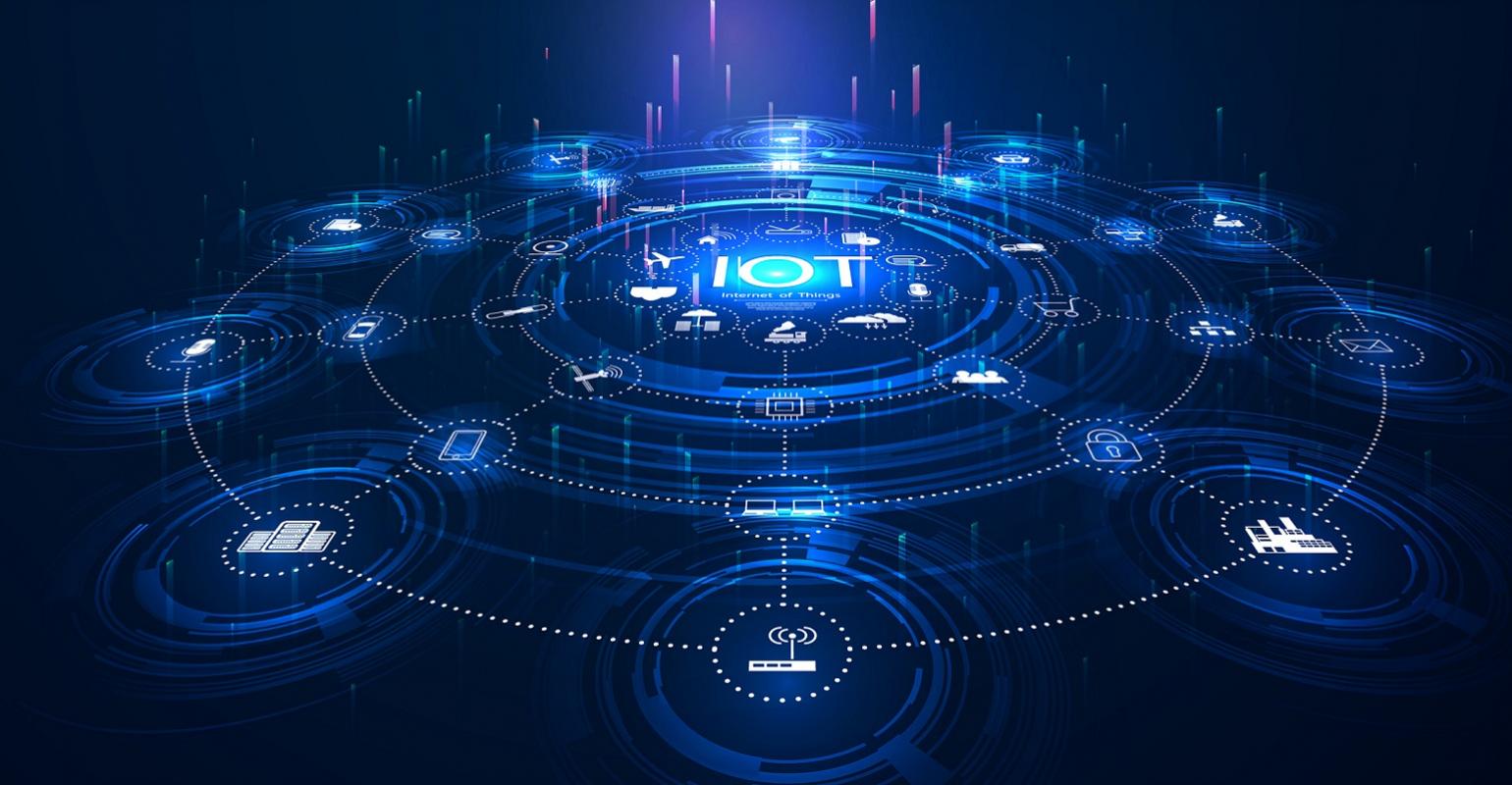
The birth of the Internet of Things (IoT) can be traced back to the early 1980s. The concept originated from the idea of embedding sensors, processors, and communication capabilities into everyday objects, allowing them to collect and exchange data over the internet. Here are some key milestones in the development of IoT:
1. The term "Internet of Things" was coined in 1999 by Kevin Ashton, a British technology pioneer, while working at Procter & Gamble. He used the term to describe a system where objects are connected to the internet and can communicate with each other.
2. In the late 1990s and early 2000s, RFID (Radio Frequency Identification) technology played a significant role in laying the foundation for IoT. RFID tags allowed objects to be identified and tracked remotely.
3. The convergence of wireless communication technologies, such as Wi-Fi, Bluetooth, and cellular networks, paved the way for IoT devices to connect to the internet without the need for wired connections.
4. The advancement of miniaturization and decreasing costs of sensors and microcontrollers made it feasible to embed these components into various devices and objects.
5. In 2008, the number of connected devices on the internet surpassed the number of people on Earth, marking a significant shift in the technological landscape and setting the stage for IoT's growth.
6. The emergence of cloud computing services provided a scalable and cost-effective infrastructure to store, analyze, and process the vast amount of data generated by IoT devices.
7. The smartphone revolution played a crucial role in promoting IoT adoption. Smartphones became a central hub through which users could interact and control various IoT devices and applications.
8. The industrial sector was an early adopter of IoT, implementing machine-to-machine (M2M) communication and sensor technologies for improved automation and efficiency in manufacturing and logistics.
9. Consumer IoT devices, such as smart home appliances, wearables, and connected gadgets, gained popularity in the 2010s, with companies like Nest (founded in 2010) contributing to the consumer IoT ecosystem.
10. Today, IoT has expanded into various domains, including healthcare, agriculture, transportation, and smart cities, transforming industries and offering new opportunities for innovation and optimization.
It's important to note that the development of IoT is an ongoing process, and the technology continues to evolve and find new applications across different sectors and industries. As of my last update in September 2021, IoT was already a significant part of our daily lives, and its growth and impact have likely continued to progress in the years since.