
Welcome to Code Point
Here we present All type of Blog


Here we present All type of Blog
I am presenting here ,all type of knowledge if you want to interest knowing about any topic then click below thumbnail view button and knowing.
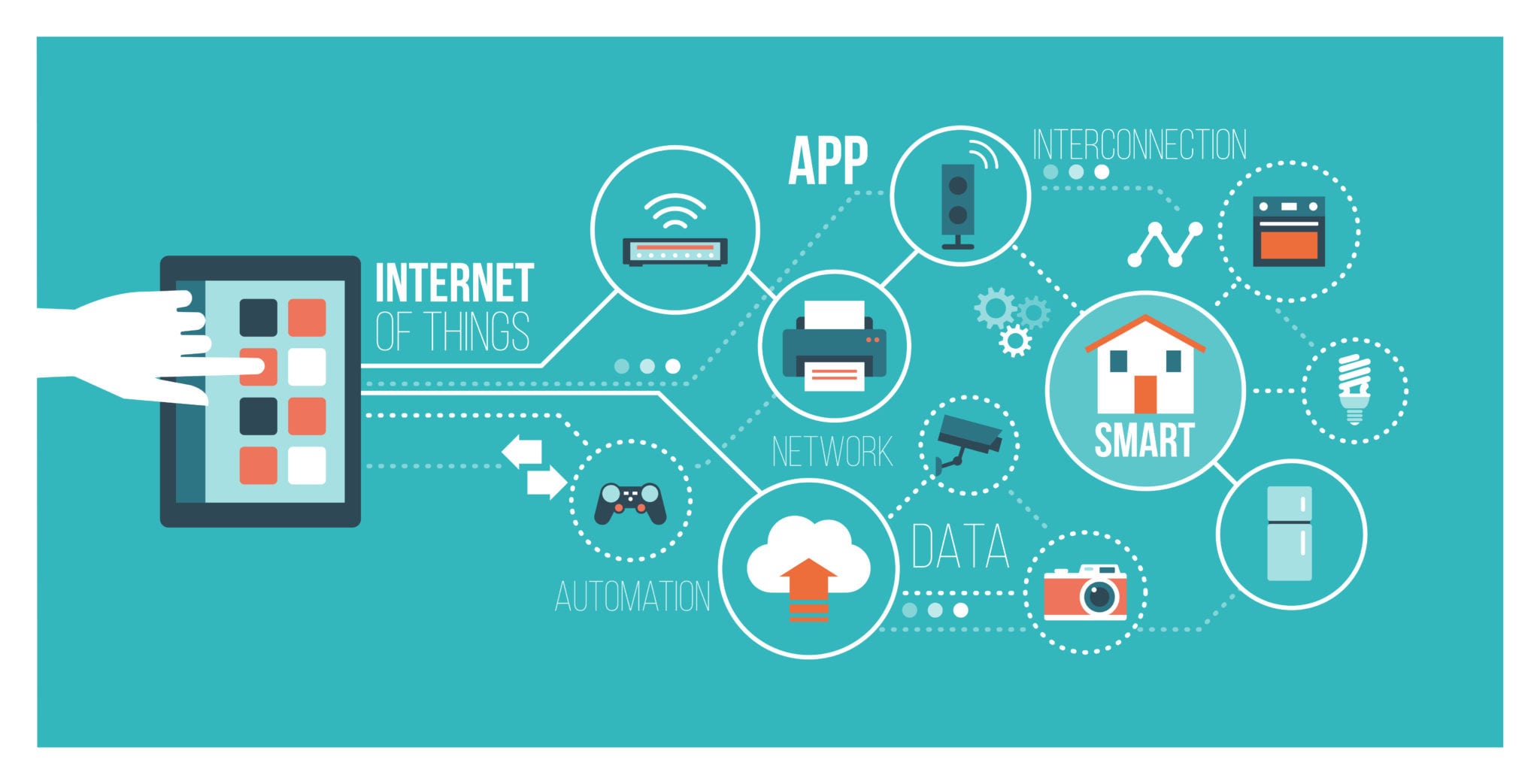
The fundamental idea behind IoT is to extend the power of the internet beyond traditional computing devices like computers and smartphones, allowing everyday objects to become "smart" and capable of communication, sensing, and decision-making. This connectivity enables objects to gather real-time data, share information, and respond to changes in their environment without requiring direct human intervention.
Key components of IoT:
1.Devices/Things: These are physical objects, ranging from simple sensors to complex machines and appliances, which are equipped with embedded technology to connect to the internet and interact with their surroundings.
2.Connectivity IoT devices use various communication protocols like Wi-Fi, Bluetooth, Zigbee, cellular networks, or low-power wide-area networks (LPWANs) to exchange data.
3.Data Processing and Storage: The data collected by IoT devices is processed and analyzed, often in the cloud or at the edge (closer to the source of data), to derive meaningful insights and actionable information.
4.Cloud Computing: Cloud services play a crucial role in managing the massive volumes of data generated by IoT devices. They offer scalable storage, processing power, and analytics capabilities.
5.Data Analytics and Artificial Intelligence (AI): IoT data is often combined with AI and machine learning techniques to discover patterns, predict outcomes, and make intelligent decisions.
Benefits of IoT:
1.Automation and Efficiency: IoT enables automation of processes and tasks, leading to increased efficiency, reduced human error, and cost savings.
2.Improved Decision-making: Access to real-time data allows businesses and individuals to make better-informed decisions and respond quickly to changing conditions.
3.Enhanced User Experience: IoT devices provide personalized and context-aware experiences, making interactions with technology more seamless and user-friendly.
4.Optimized Resource Management: In various industries, IoT facilitates better management of resources like energy, water, and inventory, leading to sustainable practices.
5.Safety and Security: IoT can enhance safety and security by monitoring critical infrastructure, predicting potential risks, and enabling rapid responses to emergencies.
6.Healthcare Advancements: IoT is transforming healthcare through remote patient monitoring, smart medical devices, and data-driven insights for better treatment outcomes.
7.Environmental Impact: IoT contributes to environmental conservation by enabling smart agriculture, efficient waste management, and monitoring of pollution levels.
Challenges of IoT:
1.Security and Privacy: The large-scale deployment of IoT devices raises concerns about data security and user privacy.
2.Interoperability: Different IoT devices often use diverse communication protocols, leading to compatibility issues.
3.Scalability and Complexity Managing the vast number of connected devices and the complexity of IoT ecosystems can be challenging.
4.Data Overload: The sheer volume of data generated by IoT devices requires robust data management and analytics solutions.
As IoT continues to evolve, it has the potential to revolutionize industries and improve various aspects of our lives, making it one of the most transformative technologies of the 21st century.