
Welcome to Code Point
Here we present All type of Blog


Here we present All type of Blog
I am presenting here ,all type of knowledge if you want to interest knowing about any topic then click below thumbnail view button and knowing.
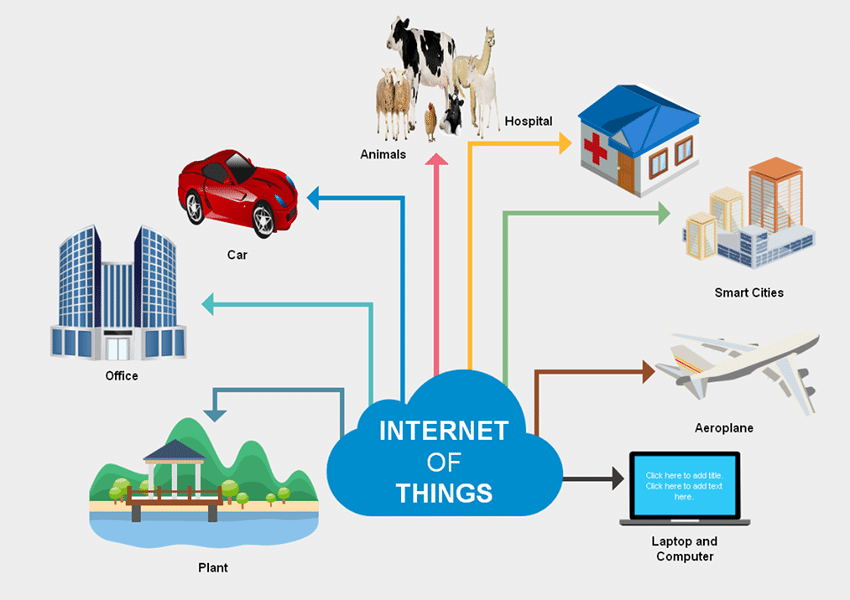
Internet of Things (IoT) technology has found applications across various domains, transforming industries and enhancing efficiency, safety, and convenience. Here are some examples of how IoT is being used in different sectors:
1.Smart Home: IoT has revolutionized the concept of smart homes, where various devices and appliances are connected to a central hub or a mobile app. Homeowners can remotely control and automate lighting, thermostats, security cameras, smart locks, and home entertainment systems for increased comfort, energy efficiency, and security.
2.Healthcare: IoT plays a significant role in healthcare with the development of wearables and medical devices that monitor patients' health in real-time. These devices can track vital signs, blood glucose levels, medication adherence, and more, allowing healthcare professionals to provide better care and enable remote patient monitoring.
3.Industrial IoT (IIoT): In industries, IoT is utilized to improve operational efficiency and reduce downtime. Sensors and connected machines gather data to optimize production processes, monitor equipment health, predict maintenance needs, and enhance supply chain management.
4.Agriculture: IoT solutions are employed in smart agriculture to monitor and manage crops and livestock. Smart sensors measure soil moisture, temperature, and nutrient levels, enabling precise irrigation and fertilization. Drones equipped with sensors provide valuable insights into crop health and pest detection.
5.Transportation and Logistics: IoT is transforming transportation systems and logistics operations. Connected vehicles can communicate with each other and infrastructure to avoid accidents, reduce congestion, and optimize traffic flow. In logistics, IoT helps track shipments, monitor the condition of goods, and streamline supply chain management.
6.Smart Cities: IoT technology contributes to the development of smart cities by integrating various urban systems. Smart streetlights, waste management, public transportation, and parking systems enhance city services, reduce energy consumption, and improve overall sustainability.
7.Retail: IoT enhances the retail experience through smart shelves, beacons, and RFID tags, providing real-time inventory management and personalized customer experiences. It enables retailers to understand customer behavior and optimize store layouts for better engagement.
8.Energy Management: IoT is employed for efficient energy consumption in buildings and industries. Smart meters, energy monitoring systems, and home automation help users better understand their energy usage and optimize energy consumption.
9.Environmental Monitoring: IoT devices are used for environmental monitoring, such as air quality sensors, water quality sensors, and weather monitoring stations. These devices help collect data to study climate change, pollution levels, and natural disasters.
10.Wearable Devices: IoT-based wearables, such as fitness trackers and smartwatches, have become popular for monitoring physical activity, heart rate, sleep patterns, and more. They encourage healthier lifestyles and support preventive healthcare.
11.Insurance: IoT-enabled devices, like telematics in vehicles, are used to collect data on driving behavior. Insurance companies can offer usage-based insurance policies based on individual driving habits, promoting safer driving practices.
These are just a few examples, and the applications of IoT continue to expand into other domains, making our lives more connected and efficient while presenting new opportunities for innovation and development.