
Welcome to Code Point
Here we present All type of Blog


Here we present All type of Blog
I am presenting here ,all type of knowledge if you want to interest knowing about any topic then click below thumbnail view button and knowing.
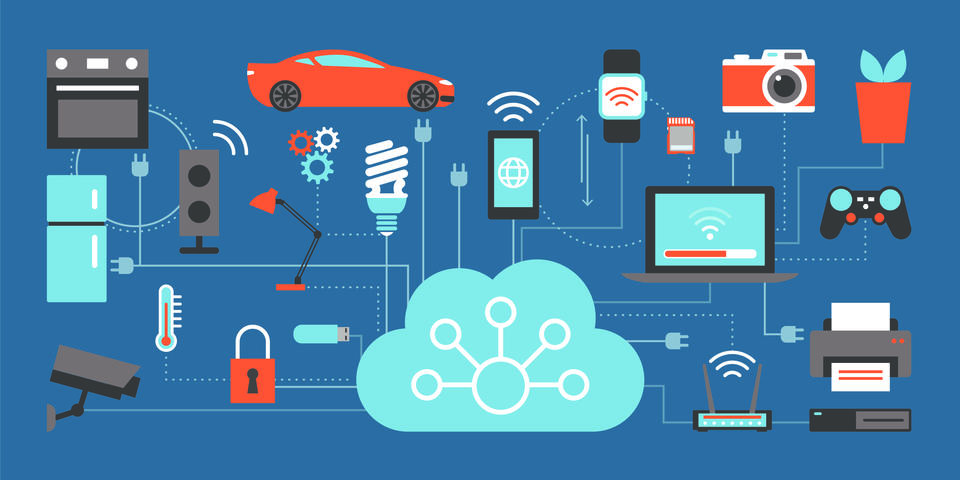
Internet of Things (IoT) hardware refers to the physical devices and components that make up the interconnected network of objects in IoT systems. These devices are equipped with sensors, actuators, communication modules, and processing capabilities to collect, transmit, and process data. Here are some common types of IoT hardware:
1.Sensors: Sensors are essential components of IoT devices that detect and measure physical properties from the surrounding environment. There are various types of sensors, such as:
Temperature sensors: Measure ambient temperature.
Humidity sensors: Measure the level of moisture in the air.
Proximity sensors: Detect the presence or absence of nearby objects.
Light sensors: Measure ambient light levels.
Motion sensors: Detect movement or acceleration.
Gas sensors: Detect the presence of specific gases in the air.
Pressure sensors: Measure air or liquid pressure.
2.Actuators: Actuators are components that allow IoT devices to perform physical actions based on the data collected by sensors. They can control motors, valves, switches, and other mechanisms to carry out specific tasks or respond to certain conditions.
3.Microcontrollers and Microprocessors: These are the brains of IoT devices that process data and control the device's functions. Microcontrollers are more commonly used in resource-constrained IoT devices, while microprocessors are employed in more powerful IoT devices.
4.Connectivity Modules IoT devices need to communicate with other devices or cloud platforms. Connectivity modules include Wi-Fi, Bluetooth, Zigbee, Cellular (3G/4G/5G), LoRaWAN, NB-IoT, and other communication technologies, depending on the range and data requirements of the application.
5.Power Sources: IoT devices may be powered by batteries, solar panels, or energy harvesting methods, depending on their usage and location.
6.Edge Computing Devices: Some IoT systems employ edge computing, where data processing takes place closer to the data source, reducing latency and reliance on cloud servers. Edge computing devices have processing capabilities and storage to analyze data locally.
7.Gateways: IoT gateways act as intermediaries between IoT devices and cloud platforms. They collect data from multiple devices, perform data preprocessing, and transmit relevant information to the cloud for further analysis.
8.Cameras and Imaging Devices: IoT devices with visual capabilities, such as security cameras or environmental monitoring systems, use cameras and imaging sensors to capture images and video.
9.Wearable Devices: These IoT devices are designed to be worn or attached to the body, like smartwatches, fitness trackers, and medical monitoring devices.
10.RFID Tags RFID (Radio-Frequency Identification) tags are small, inexpensive devices that can store and transmit data wirelessly, allowing for unique identification and tracking of objects.
The hardware components used in IoT devices can vary greatly depending on the specific application and requirements. Designing and selecting the appropriate hardware is crucial to building efficient, reliable, and scalable IoT solutions.