
Welcome to Code Point
Here we present All type of Blog


Here we present All type of Blog
I am presenting here ,all type of knowledge if you want to interest knowing about any topic then click below thumbnail view button and knowing.
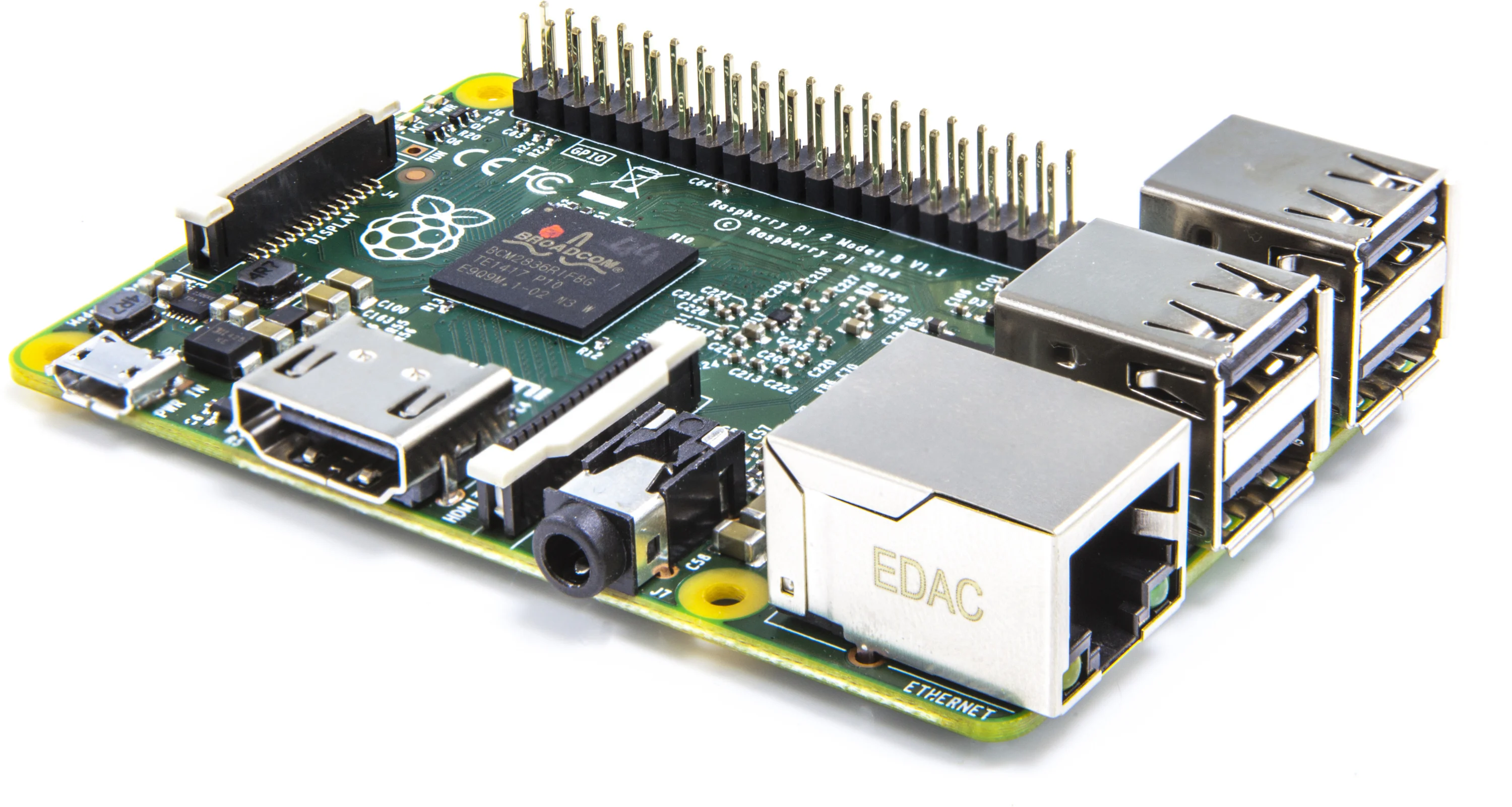
Raspberry Pi is a series of small, single-board computers developed by the Raspberry Pi Foundation, a UK-based charity organization. These credit card-sized computers are designed to promote computer science education, programming, and DIY projects. The Raspberry Pi boards are affordable, energy-efficient, and highly versatile, making them popular among hobbyists, students, educators, and developers.
Key features and components of Raspberry Pi boards:
1.Processor: Raspberry Pi boards come with a Broadcom system-on-a-chip (SoC) that includes a CPU, GPU, and RAM. The specific processor varies among different models.
2.Connectivity: Raspberry Pi boards typically have multiple USB ports, HDMI output, Ethernet port (in some models), Wi-Fi, Bluetooth, and a GPIO (General-Purpose Input/Output) header for connecting external devices and components.
3.Operating System: The Raspberry Pi can run various operating systems, with the most popular being Raspberry Pi OS (formerly called Raspbian), which is based on the Linux distribution Debian.
4.Storage: Raspberry Pi boards use microSD cards for storage, where the operating system and user data are stored.
5.Power Supply: Raspberry Pi boards are powered via a micro USB port, making them easy to connect to a standard USB power adapter or power bank.
6.GPIO Pins:: Raspberry Pi boards have a set of GPIO pins, allowing users to interface with external sensors, actuators, and other electronic components for custom projects.
Uses of Raspberry Pi:
1.Learning and Education Raspberry Pi is widely used in schools and educational institutions to teach programming, computer science concepts, and electronics. It provides a hands-on approach to learning and encourages creativity and problem-solving skills.
2.Home Automation: Raspberry Pi can be utilized to create smart home automation systems, controlling lights, appliances, and security cameras.
3.Media Center: By installing media center software like Kodi, Raspberry Pi can function as a cost-effective media player for streaming content on a TV.
4.DIY Projects: Raspberry Pi is a favorite platform for makers and hobbyists to build a wide range of DIY projects, such as retro gaming consoles, home servers, weather stations, and more.
5.Internet of Things (IoT): Raspberry Pi's small size, low power consumption, and GPIO pins make it suitable for building IoT devices and prototypes.
6.Robotics: Raspberry Pi can serve as the brain of robots, controlling motors and sensors to create autonomous robotic systems.
7.Programming and Development: Developers use Raspberry Pi to test software, develop applications, and experiment with different programming languages.
Overall, Raspberry Pi has played a significant role in democratizing computing and making technology more accessible to people of all ages and skill levels. Its affordability and versatility have empowered countless individuals to explore their creativity and bring their ideas to life.